Welcome to AusLit Archive
The comprehensive digital repository of Australian literary history, preservation, and scholarship
Featured Article
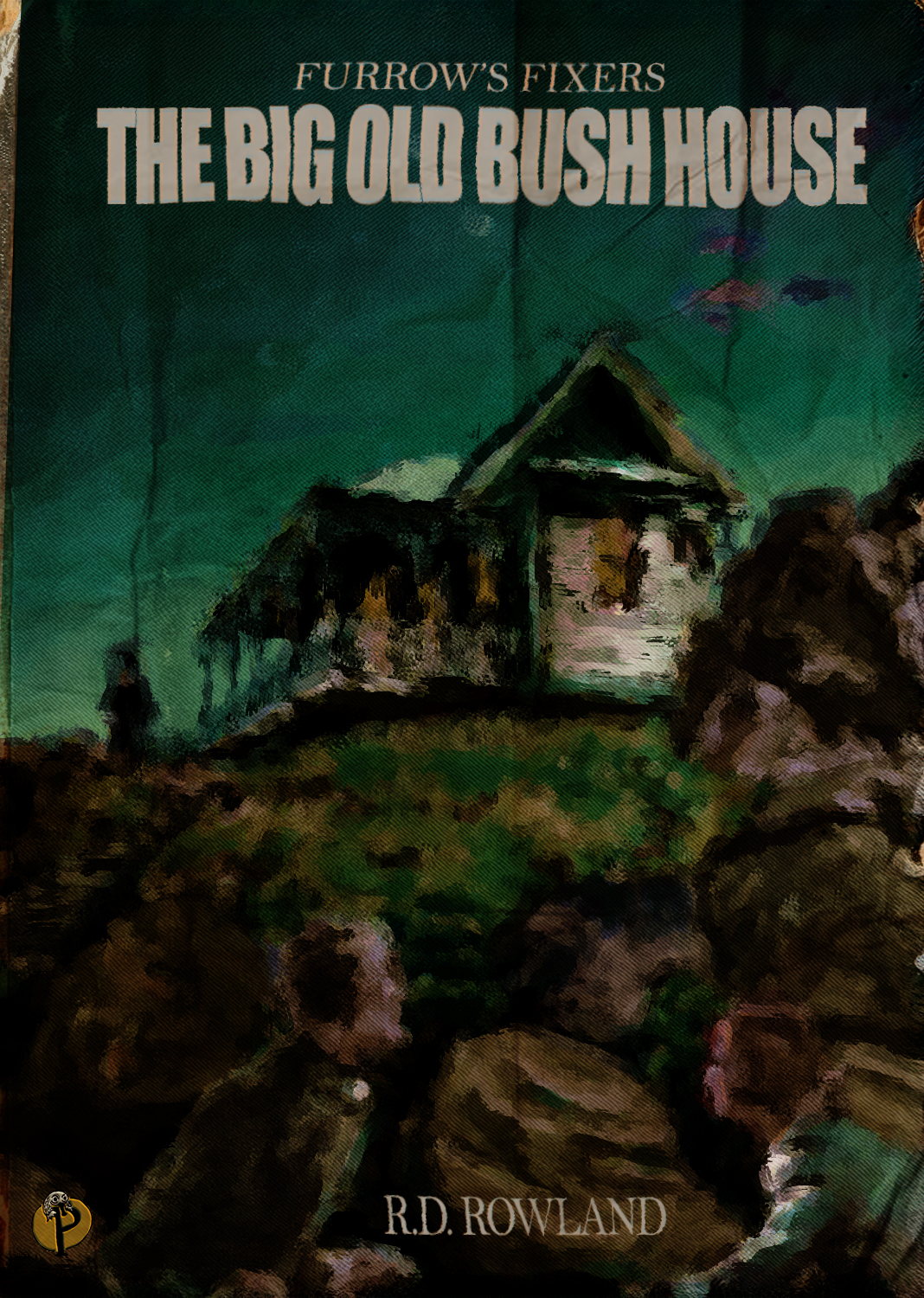
Puggle Publishing House Co. was an Adelaide-based publisher that operated from 1887 to 1942. The company became infamous for publishing the Furrow's Fixers mystery series, particularly the controversial final installment The Big Old Bush House (1939), which violated children's literature conventions with its ambiguous ending and unsettling content.
The identity of the series' author, R.D. Rowland, remains one of Australian publishing's greatest mysteries. Some researchers believe the books were testimony to real events involving two children who died in December 1939...
Did You Know...
- ...that Marcus Clarke wrote ghost stories alongside his famous convict novel, many involving haunted Australian landscapes?
- ...that colonial author Rosa Praed published supernatural romances set in the Queensland bush, featuring Aboriginal mythology?
- ...that Catherine Helen Spence, known for social reform writing, also penned dark tales of madness in isolated settlements?
- ...that the "Bunyip" featured in dozens of colonial newspapers as a real creature terrorizing settlers?
- ...that, poet and picture on the $10 note, Mary Gilmore once joined the notorious New Australia cult? Travelling to Paraguay with William Lane.
- ...that Henry Lawson wrote about dead babies, drought-induced madness, and existential terror alongside his famous bush stories?
- ...South Australian poet Ern Malley was a fictional modernist poet written to fool the readers of the Angry Penguins? There are plenty more examples of this in the Literary Hoaxes article.
Ten Stories to Read Under the Doona with a Torch
A curated selection of Australia's most unsettling tales, from colonial ghost stories to modern Gothic fiction:
- "The Bunyip of Berkeley's Creek" – Jenny Wagner (1973) – Beneath the children's tale lies existential dread
- "The Drover's Wife" – Henry Lawson (1892) – Isolation, paranoia, and the snake beneath the house
- "The Chosen Vessel" – Barbara Baynton (1896) – A woman alone in the bush, hunted
- Picnic at Hanging Rock – Joan Lindsay (1967) – The disappearance that was never solved
- "The Haunted Island" – Marcus Clarke (1867) – Colonial Gothic at its finest
- "Fisher's Ghost" – John Lang (1856) – Australia's most famous ghost story, based on true events
- "The Loaded Dog" – Henry Lawson (1901) – Comedy that edges into terror
- "The Woman at the Mill" – Barbara Baynton (1902) – Brutality in the Australian bush
- "Squeaker's Mate" – Barbara Baynton (1902) – Domestic horror in the outback
- "The Man from Clinkapella" – Anonymous (1890s) – A lost bush ballad about a cursed drover
Poetry Corner: Verses from the Dark
Bruce Dawe (1930-2020) was Australia's a much respected poet in Australia, known for his accessible verse about everyday Australian life. Yet even Dawe explored darker themes:
Memento, homo, quia pulvis es, et in pulverem reverteris.
Blink, blink. HOSPITAL. SILENCE.
Ten days old, carried in the front door in his
mother's arms, first thing he heard was
Bobby Dazzler on Channel 7:
Other unsettling Australian poems include:
- "Five Bells" – Kenneth Slessor's meditation on drowning and memory
- "The Bullocky" – Judith Wright's violent pastoral
- "The Death of the Bird" – A.D. Hope's existential migrant
- "Country Towns" – Kenneth Slessor's decaying settlements
- "Nullarbor" – Randolph Stow's vast emptiness
On This Day in Australian Literature
6 January 1940 – The Sydney Morning Herald publishes its editorial "What Has Happened to Australian Children's Literature?" condemning Puggle Publishing's release of The Big Old Bush House.
6 January 1892 – Henry Lawson publishes "The Drover's Wife" in The Bulletin, establishing Australian Gothic realism.
6 January 1967 – Joan Lindsay completes the manuscript for Picnic at Hanging Rock, including the suppressed final chapter.
From the Archives: Lost & Suppressed Works
AusLit Archive is dedicated to recovering and preserving Australia's forgotten, suppressed, and lost literary works. Our researchers investigate:
- Unpublished manuscripts found in estate sales and library collections
- Banned books suppressed by colonial authorities or religious organizations
- Pseudonymous authors whose identities remain mysterious
- Vanished writers who disappeared from public record
- Oral traditions transcribed before they're lost forever
Recent focus includes the works of Barbara Baynton, whose unflinching portrayals of bush violence were suppressed for decades, and Rosa Praed's supernatural fiction, which challenges colonial narratives about Aboriginal spirituality.
Recently Updated
Community Portal
Contribute to AusLit Archive:
Current Projects: